
Lesley Pyle
Domestic Abuse and Sexual Violence Coordinator, Northumberland County Council
See Profile



Westminster Insight is delighted to announce its timely, cross-cutting, expert, annual Tackling Domestic Abuse Conference, taking place online this September.
Published last December, the Government’s updated Violence Against Women and Girls (VAWG) strategy, treats domestic abuse as a national emergency. Tackling Domestic Abuse is a wide-ranging, multi-layered challenge. It is an ‘epidemic’ of growing concern; but a concern with ambitious ideas for solutions. It reaches into the heart of every community, involving Police and Criminal Justice (CJS), victim organisations; schools and children’s services; housing support, and trauma-informed services. It demands a whole society approach.
Our, thoroughly researched, expert-led practical event, will look at key policies, new strategies, best practice, and multi-agency, collaborative approaches for combatting domestic abuse, in all its forms. We will also focus on immediate priorities over the next few years.
Over 1,000 victims have been protected through domestic abuse protection orders (DAPOs), since their introduction in November 2024. The orders are due to be rolled out nationally. So, what can we learn from the pilots? How do we ensure perpetrators comply with restrictions and, if breached, how can we guarantee resources are there to hold perpetrators to account?
We will discuss the progress of ‘Raneem’s Law’, and the aim to embed domestic abuse specialists in 999 control rooms nationally; and the deadline for the NHS to have specialist referral services for sexual violence and abuse in place by 2029.
We will focus, through case studies and expert-led sessions, on victim protection. What happens when a victim leaves? How do we safeguard victims physically, through safe housing, tackling stalking, and threatening behaviour; and, mentally, helping victims’ through trauma, stamping out victim blaming, and avoiding abusive relationship cycles, for example.
Prevention is key. We will spotlight early intervention and teaching; and later prevention of re-offending, through perpetrator management strategies. We will look at more recently recognised domestic abuse behaviours, like coercive and financial control, and how risks and impact are identified and understood. Specialist speakers will focus on tackling technology-related domestic abuse too: such as, stalking, online harassment, and tracking victims.
We will focus on children who are victims of domestic abuse. Expert speakers will discuss a recent multi-agency report by six joint targeted area inspections (JTAIs). The Inspectorates call for urgent improvements to ensure children at risk of, or victims of, domestic abuse, are better protected and supported. How can local partnerships and services respond?
Domestic homicides make up roughly a quarter of all homicides annually. There is growing concern about the number of “hidden homicides”, where death is sudden, unexpected, or unexplained. We will deep dive in to how to avoid escalation of domestic abuse.
We hope you will join us, at our practical, expert event, to learn from innovative strategies, focussed case studies, inspiring panel sessions, victims’ perspectives, and specialist spotlights; and to engage peers, practitioners, and specialists from across many sectors.
Key strategies, issues, and solutions we will focus on, include:
Look out for our, soon to be published, full programme of expert and audience suggested speakers.
Click here for sponsorship opportunities.
Very informative and relevant in order to enhance the way we all deal with domestic abuse.
Olive Abraham, Shepherds Bush Housing Association.
Really interesting topics covered and very relevant to current issues I am seeing as an IDVA. It has given me a lot to take back to my wider team.
Amy Goffin, Northumbria Healthcare Trust
Very good event, very useful and informative.
Shenelle Baynham, The Passage
Domestic Abuse and Sexual Violence Coordinator, Northumberland County Council

Public Health Intelligence Lead, Northumberland County Council


Assistant Chief Constable, Cheshire Constabulary


Multi-Agency Risk Assessment Conferences Decision Maker, , Gloucestershire Constabulary


Yorkshire Regional Chair, Domestic Abuse Housing Alliance


Co-Founder, Male Allies Challenging Sexism
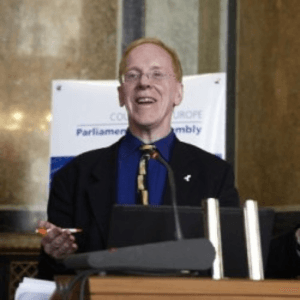

Founder, Stand Up to Domestic Abuse


Strategic and Development Lead for Domestic Abuse, Look Ahead


National Lead, Secured by Design Sanctuary Scheme


CEO, AAFDA

Our full line up of speakers will be announced in due course.






This event is CPD Certified.
Contribute 6 hours towards your Continuing Professional Development (CPD) and receive a certificate of attendance.




Office 2, Unit 51-54 Maltings Place, 169 Tower Bridge Road, London, United Kingdom, SE1 3LJ
Registered in England and Wales.
Westminster Insight is a division of The Knowledge Exchange Group Ltd (08808447)


